

MCI GROUP INSIGHT
Marketing and the Machine: Can Artificial Intelligence Replace Human Creativity?
Original: Marketing and the machine: Can artificial intelligence replace human creativity?
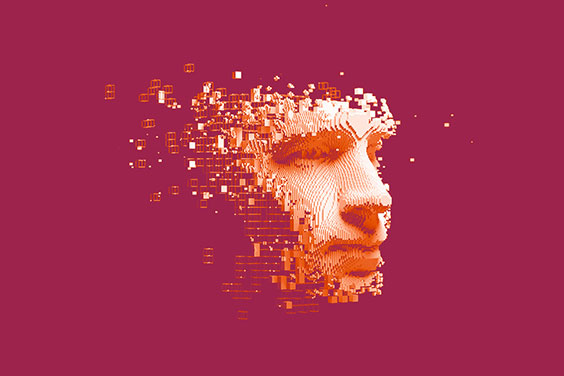
Editorial synthesis in English. This text reorganises the central ideas from the original content; it is not a full reproduction. Authorship, context and source are preserved below.
The Rise of Creative AI in Marketing
Artificial intelligence has moved beyond a passing novelty to become an essential tool in everyday marketing. Initially focused on data analysis, forecasting, and automated customer service, the technology has evolved to a new frontier: creative AI. Advanced systems are now capable of simulating creative thinking by processing vast amounts of information to generate texts, images, and ideas that, at first glance, appear genuinely human.
This ability to emulate creativity offers significant opportunities for brands. Automating operational tasks, such as generating basic graphics or drafting copy, allows teams to focus their time and energy on developing more complex strategies. Additionally, AI democratizes content creation, enabling professionals without specific technical training in design or writing to swiftly materialize their ideas.
Limitations and Ethical Challenges
Despite impressive advancements, creative AI has profound structural limitations. The most significant is the absence of authentic human context. Since these systems are trained on data available on the internet, they tend to reproduce biases, prejudices, and in some cases, generate incorrect or harmful information. Machines lack the lived experience, empathy, and social interconnectedness that underpin true creativity.
Another critical challenge concerns originality and intellectual property. Content generation based on pre-existing information raises questions about derivative works and copyright boundaries. The legal determination of who owns the rights to AI-generated works—whether the user, the tool creators, or the original data authors—remains a complex and ongoing debate.
The Irreplaceable Value of Human Connection
Given these limitations, it is unlikely that AI will fully replace creative teams. Human creativity is characterized by elements machines still cannot replicate: abstract imagination, episodic memory, and the ability to understand cultural and emotional nuances. True innovation springs from lived experience and genuine connection between people.
Therefore, the most promising path for the future of marketing is collaboration. Artificial intelligence should be regarded as a powerful support tool capable of expanding possibilities and optimizing processes. However, strategic direction, cultural repertoire, and the ability to generate meaning remain exclusive responsibilities of human talent. The union between machine processing power and human sensitivity is what will define successful brands.
Key points
What remains.
- Creative AI simulates human thought by processing data to generate original texts and images.
- AI tools accelerate operational tasks and democratize content creation in marketing.
- AI's lack of human nuance and context can produce incorrect information and reinforce biases.
- Using AI raises complex issues around originality and copyright of derivative works.
- Human creativity, based on imagination and episodic memory, remains irreplaceable.
- The future of marketing lies in collaboration: AI as a support tool for human talent.
Why it belongs in KNOW
The synthesis reinforces the view that technology is a means, not an end. It emphasizes the irreplaceable importance of cultural repertoire, strategic direction, and human connection—central elements for building authentic and innovative brands in today’s landscape.